

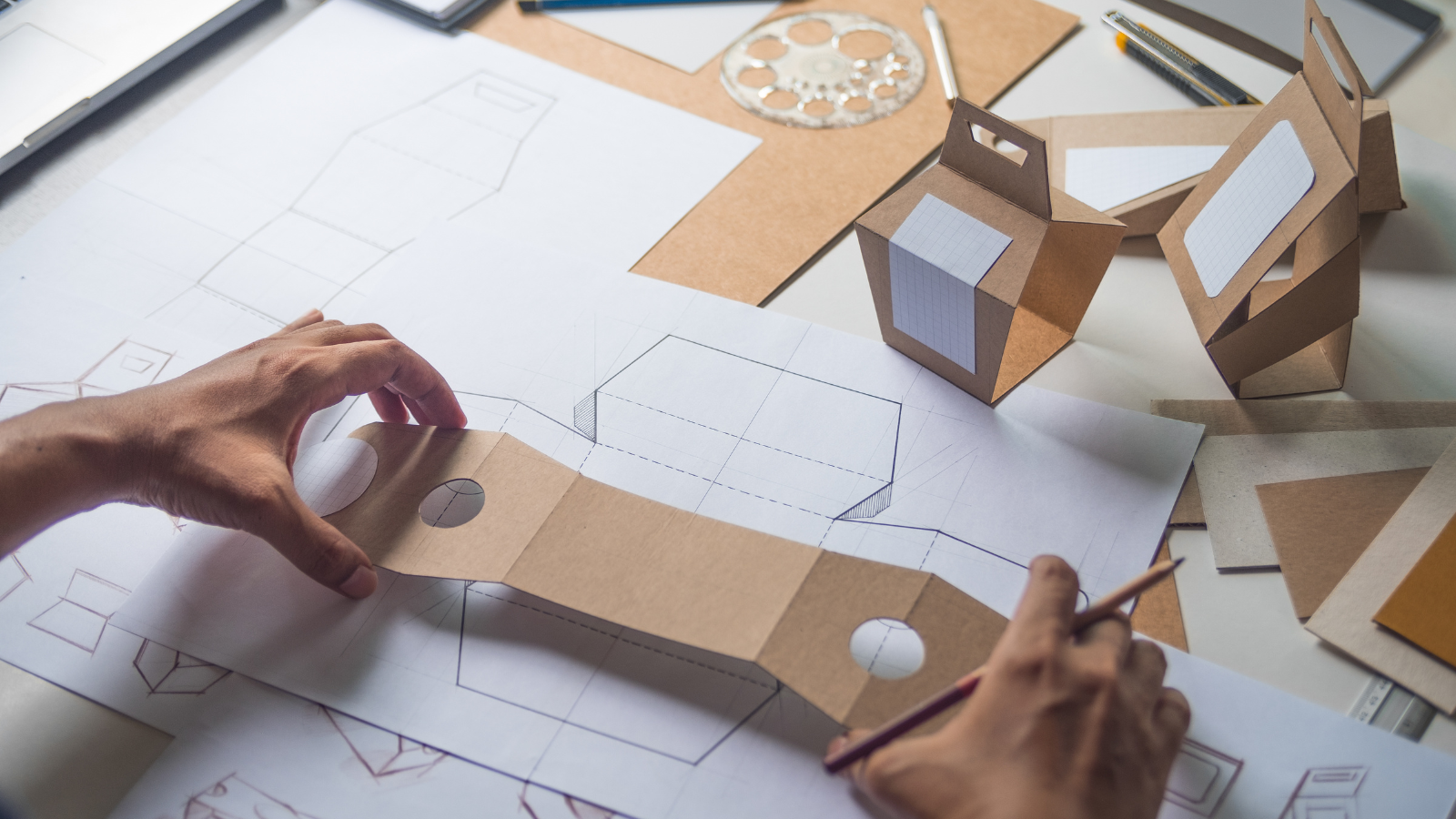
Introduction: Product design is a complex and creative process that involves transforming an idea into a tangible, functional product. From the initial concept to the final creation, product designers navigate a series of stages that require both artistic vision and technical expertise. This article takes you behind the scenes of the product design process, exploring each stage in detail and providing insights from experienced designers. Whether you're an aspiring designer or simply curious about how products come to life, this journey from concept to creation offers a fascinating glimpse into the world of design.
Stage 1: Ideation and Concept Development: The journey of product design begins with ideation and concept development. This stage involves brainstorming ideas, identifying user needs, and defining the product’s purpose and goals. Key activities in this stage include:
- Research and Inspiration: Designers start by researching to understand the market, target audience, and existing products. This research inspires and helps identify gaps or opportunities for innovation.
- Sketching and Conceptualization: With a clear understanding of the product’s goals, designers begin sketching initial concepts. These sketches serve as visual representations of ideas and help designers explore different design directions. Conceptualization is an iterative process, where ideas are refined and developed through multiple rounds of sketching and feedback.
- User-Centered Design: Successful products are designed with the user in mind. During concept development, designers create user personas and scenarios to guide their design decisions. This user-centered approach ensures that the final product meets the needs and preferences of its intended audience.
Stage 2: Prototyping and Testing: Once a concept is developed, the next stage involves creating prototypes and testing them to evaluate their functionality, usability, and aesthetics. This stage is critical for identifying and addressing potential issues before moving on to production.
- Creating Prototypes: Prototypes can range from simple paper models to fully functional, high-fidelity prototypes. The goal is to create a tangible version of the product that can be tested and evaluated. Prototypes allow designers to experiment with materials, forms, and features, and to make adjustments based on feedback.
- User Testing: Prototypes are tested with real users to gather feedback on the product’s design and usability. User testing helps identify pain points, areas of confusion, and potential improvements. It also provides valuable insights into how users interact with the product in real-world scenarios.
- Iteration and Refinement: Based on the results of user testing, designers refine the prototype, making necessary changes to improve its functionality and user experience. This iterative process may involve multiple rounds of prototyping and testing until the design is optimized.
Stage 3: Design for Manufacturing: With a refined prototype in hand, the next stage focuses on preparing the design for manufacturing. This involves translating the design into detailed specifications and ensuring that it can be produced efficiently and cost-effectively.
- Material Selection: Choosing the right materials is crucial for the product’s performance, durability, and aesthetics. Designers work closely with engineers and manufacturers to select materials that meet the product’s requirements while staying within budget.
- Engineering and CAD Modeling: Designers create detailed computer-aided design (CAD) models that specify the product’s dimensions, components, and assembly process. These models serve as blueprints for manufacturing and ensure that the product can be produced with precision.
- Production Planning: The final stage of design for manufacturing involves planning the production process, including tooling, assembly, and quality control. Designers collaborate with manufacturers to optimize production efficiency and minimize waste.
Stage 4: Production and Launch: The final stage of product design is the production and launch of the product. This stage involves overseeing the manufacturing process, ensuring quality control, and bringing the product to market.
- Manufacturing: The product is manufactured based on the specifications developed in the previous stage. Designers may visit the manufacturing facility to oversee production and address any issues that arise. Quality control checks are conducted throughout the process to ensure that the product meets the desired standards.
- Packaging and Branding: In addition to the product itself, designers are often involved in creating packaging and branding elements. Packaging plays a crucial role in protecting the product and creating a positive first impression for customers. Branding elements, such as logos and color schemes, help establish the product’s identity and appeal to its target audience.
- Market Launch: Once production is complete, the product is ready for launch. This involves coordinating with marketing and sales teams to promote the product and ensure a successful introduction to the market. Designers may also gather feedback from early customers to inform future iterations or product updates.
Insights from Experienced Designers: To gain deeper insights into the product design process, we spoke with several experienced designers who shared their perspectives:
- On Creativity and Problem-Solving: “Product design is all about finding creative solutions to real-world problems. It’s a blend of art and science, where you have to balance aesthetics, functionality, and user experience.”—Jane Doe, Senior Product Designer
- On Collaboration: “Designing a product is a team effort. You’re constantly collaborating with engineers, marketers, and users to ensure that every aspect of the design aligns with the product’s goals.”—John Smith, Lead Industrial Designer
- On the Importance of Iteration: “Don’t be afraid to iterate. The first concept is rarely the final product. Iteration allows you to refine your ideas and create something truly exceptional.”—Emily Brown, Product Design Manager
The journey from concept to creation in product design is a complex and rewarding process that requires creativity, collaboration, and technical expertise. By understanding the stages of design and the challenges involved, aspiring designers can gain valuable insights into what it takes to bring a product to life. Whether you’re designing a new gadget, a piece of furniture, or a consumer good, the principles of product design remain the same: create with the user in mind, iterate and refine, and always strive for excellence.